
The Pushback
Teach them something true that they didn't want to know.
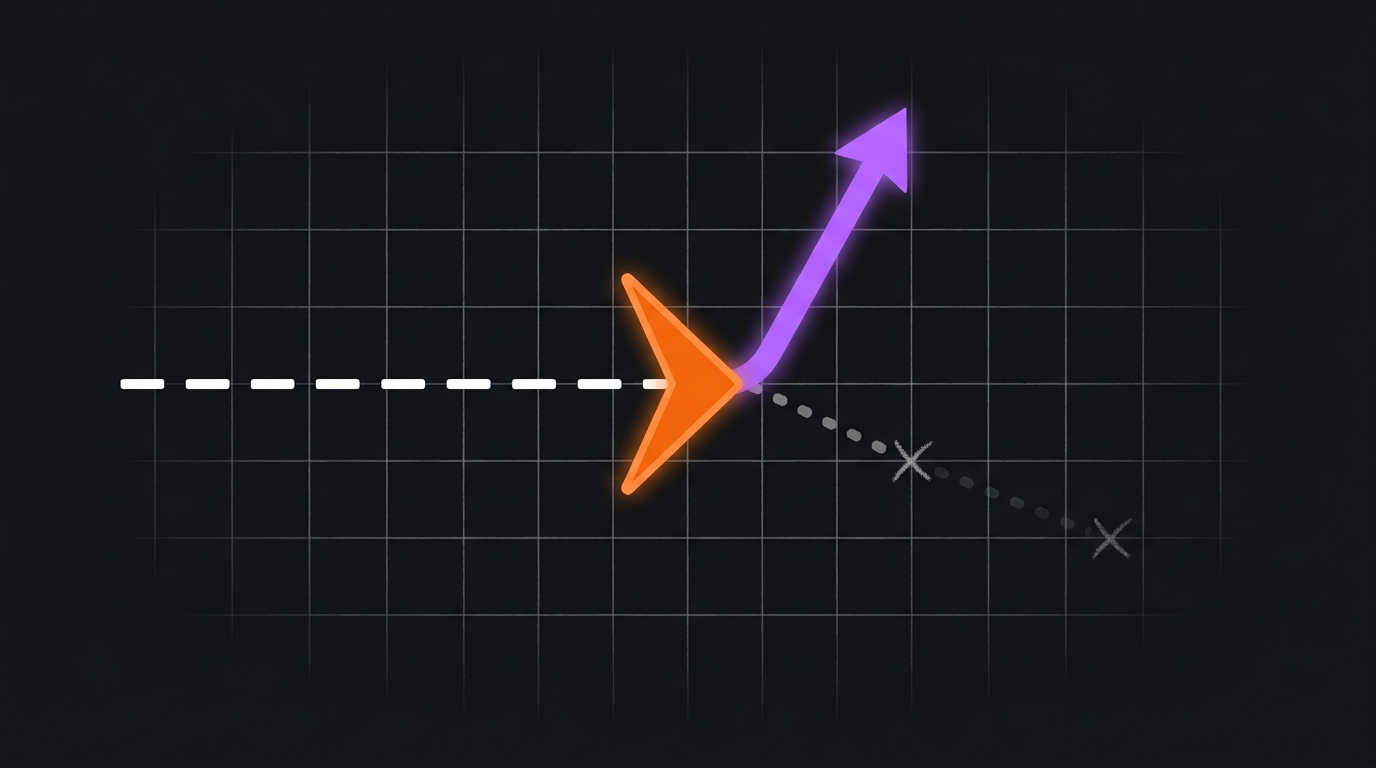
The Pushback is DeckShift's insight pattern: teach the buyer something genuinely surprising about their own business, tailor it to their context, and take control of the conversation by pointing at a new path, before the product is ever named. It condenses the research-heavy teaching school: the Challenger studies' finding that top performers create productive tension rather than comfort, Insight Selling's evidence that winners sell radically differently than second place, and Made to Stick's mechanics of why an unexpected idea lodges where a familiar one slides off.
The psychology of the stance
The teaching school's research points one direction: complacent buyers don't move without external pressure, and the pressure that works is intellectual, not emotional. A commercial insight that reshapes how the buyer sees their own business creates what the Challenger research calls productive tension: the discomfort of holding a belief that just stopped being true. Made to Stick supplies the delivery mechanics: ideas stick when they violate a schema the audience already holds, which is why the insight must be genuinely surprising to this buyer, not merely interesting in general. A reframed buyer abandons the old comparison checklist, because the old checklist no longer describes the problem.
The arc
The buyer experiences it the way they'd experience a film.
The cold open. The deck starts inside the buyer's world, establishing that this vendor has done the homework, then drops the piece of news that doesn't fit: the belief the buyer operates on, stated plainly, followed by the evidence that it's expired.
The uncomfortable middle. The deck holds the tension rather than rushing past it: what the expired belief has been quietly costing, who else discovered this too late. The buyer's old mental model and the new evidence grind against each other.
The new path. Only once the reframe has landed does the deck reveal what operating under the new understanding looks like, with the vendor's offer as the natural vehicle, arrived at, never announced.
Prospect fit
A sophisticated buyer with a comfortably outdated view of their own problem: senior enough to act on a reframe, confident enough not to feel attacked by one, and bored enough of vendor pitches that being taught something real is a relief.
Opportunity fit
Competitive and commoditized deals where every vendor is being scored on the same checklist and the only escape from a price war is to change the checklist. Also the pattern for displacing a comfortable incumbent: the insight makes staying put feel riskier than switching. Weak fit when the buyer is already problem-aware and comparison-shopping: they don't need teaching, they need an answer.
Where it doesn't work
Buyers who already understand their problem correctly. Teaching a buyer who gets it reads as condescending, and an insight every VP has already seen twice this quarter isn't an insight, it's noise.
Where people commonly fail
Leading with the product-relevant version of the insight instead of the buyer's-world version, which telegraphs the pitch, and lets the buyer discount the teaching as marketing before it has a chance to land.
The one thing to remember
The insight must be surprising to this buyer specifically, not surprising in general. If it could open any vendor's deck in the category, it can't reframe anyone.
Cybersecurity, regional law firm
A rep pitching endpoint security to a 60-attorney firm doesn't open with attack statistics. She opens with the firm's own operating belief: "we pass every audit, so we're covered." The counter-insight: the firms getting breached this year are passing those same audits, because audits verify that controls exist, not that they'd stop how attackers actually get in now. That reframe, not a feature comparison, is what earns the second meeting.
Why this pattern works
What the nerds love about The Pushback: it's the only pattern that creates demand instead of harvesting it. Every other play needs a problem the buyer will eventually admit; this one walks in with the problem under its arm. Run well, it doesn't win the comparison. It makes the comparison obsolete.