
The Pushback vs. The Fit
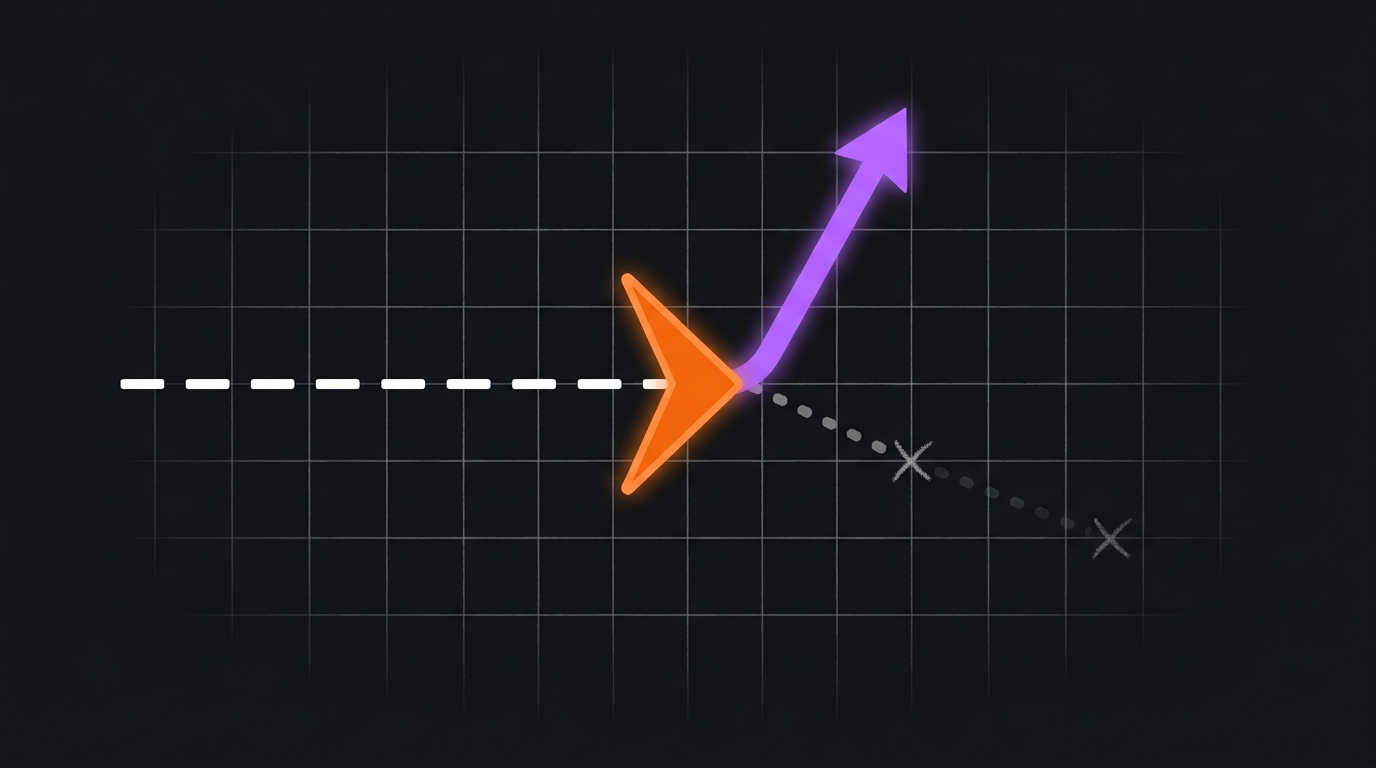
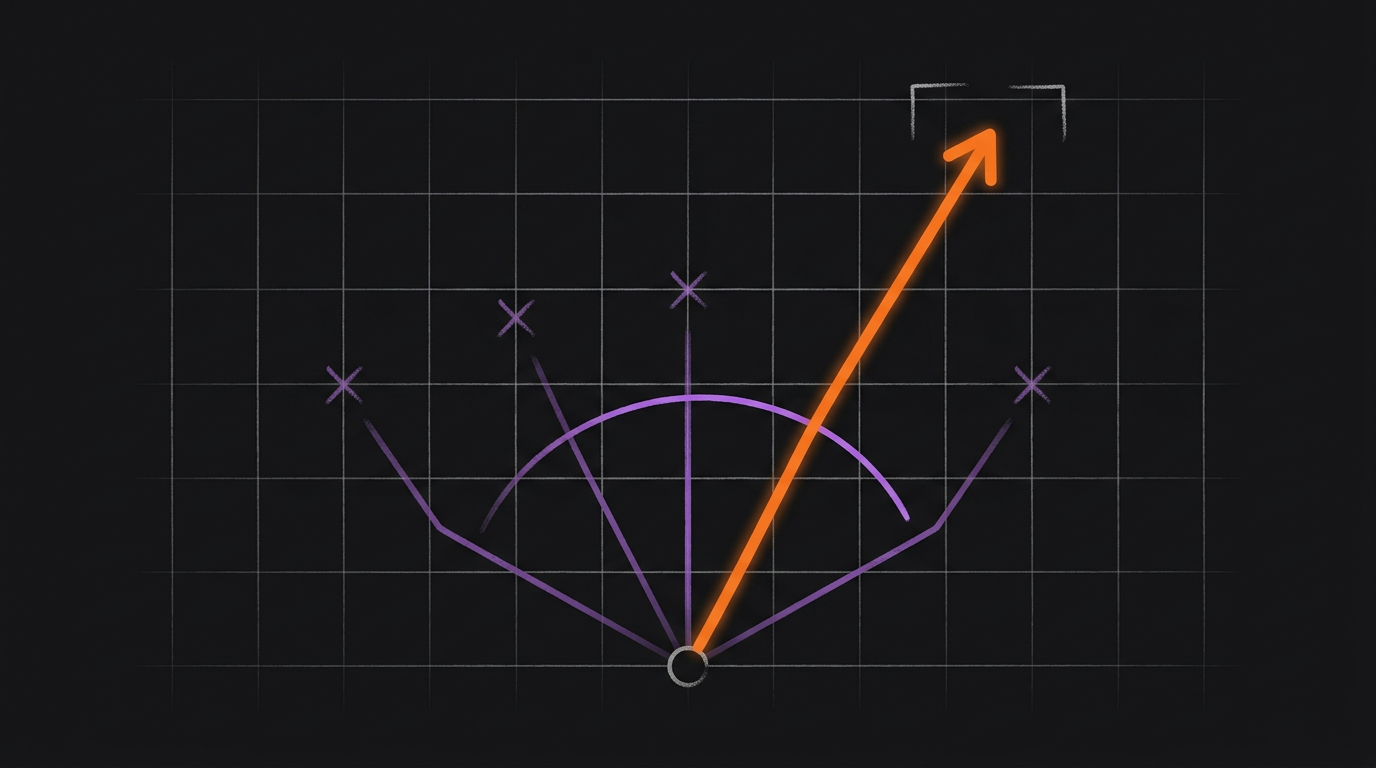
The Pushback and The Fit push in opposite emotional directions. The Pushback adds tension: it unsettles a comfortable buyer to create demand that didn't exist. The Fit removes tension: it calms a frightened buyer so demand that already exists can convert. Diagnose which state your buyer is in, because each pattern makes the other's buyer worse.
Why the pattern matters
One deck says: the belief your business runs on has expired. Here's the evidence. The other says: you've already decided this matters; here's one path and a safety net. The first is designed to start motion; the second to remove the last obstacle to motion that already started.
This is the sharpest wrong-way risk among the fifteen pairs: tension aimed at an already-fearful buyer deepens the paralysis, and comfort offered to a complacent buyer confirms the status quo. Both misfires are silent: the deal just stops moving, in opposite directions.
Unsettling the already-unsettled
A buyer stalled on decision fear doesn't need a new expired belief to worry about. The reframe lands as one more way this purchase could go wrong, and the indecision research is blunt about what happens next: raised stakes deepen the freeze.
Calming the comfortable
Narrowed options and a downside floor presented to a buyer who feels no urgency answers a question nobody asked. There is no fear to remove, so the de-risking reads as the vendor discounting a product nobody wanted yet.
The tell is direction of drift: a complacent buyer never starts moving, a fearful one stops, and each pattern only fixes one of those.
The route each one runs
Each pattern has a characteristic route: where the deck starts, where the pressure builds, and what the buyer is holding at the end.
| Dimension | The Pushback | The Fit |
|---|---|---|
| Emotional direction | Add tensionMake the status quo uncomfortable | Remove tensionMake the decision survivable |
| Buyer's state | ComplacentComfortable, not yet in motion | FrozenIn motion, then stalled |
| Deal stage | Opens dealsCreates demand from nothing | Closes dealsConverts demand already built |
| The obstacle | A wrong beliefThe world changed, they didn't | A feared mistakeCareer-visible if wrong |
| Deck's centerpiece | The insightEvidence they haven't seen | The recommendationOne path, reasoning shown |
| Risk if misapplied | Deeper freezeTension fed to a fearful buyer | Confirmed inertiaComfort fed to a complacent one |
Choose The Pushback if
- The buyer feels no urgency and their comfort is unearned
- Demand must be created, not converted
- You hold evidence that genuinely rewrites their picture
- It's early: nothing is stalled because nothing has started
Choose The Fit if
- Intent is established: agreement, budget, authority all present
- The deal went quiet at the finish line
- The buyer's real question is "what if I'm wrong?"
- More persuasion has been making things quieter
How they actually differ
Matt Dixon's research sits behind both patterns, and the pairing shows why his two books needed to be two books.
The Pushback is the answer to complacency. The Challenger research found that top performers don't build comfort: they teach, tailor, and take control, creating the productive tension that moves a buyer who saw no reason to move. It's a demand-creation machine, and everything in it points toward raising the emotional temperature.
The Fit is the answer to fear. The JOLT research, same lead author, a decade later, found the opposite failure at the other end of the funnel: deals lost not to unconvinced buyers, but to convinced buyers afraid of erring. The answer inverts every instinct: stop selling the upside, judge the situation, narrow the options, floor the downside.
The sequencing insight hiding in this pair: a deal opened with The Pushback often needs The Fit to close, because the tension that started the motion becomes the fear that stalls it. For the full breakdown of either pattern, the psychology, the arc, and the lineage it condenses, see The Pushback and The Fit in Pitchcraft.