
The Bridge vs. The Fit
The Bridge and The Fit operate on opposite ends of the same deal. The Bridge builds desire early by quantifying what a problem costs; The Fit rescues the end by removing the fear of choosing wrong. One answers "why change?", the other answers "why is saying yes safe?", and mixing them up means selling harder at the exact moment selling harder backfires.
Why the pattern matters
A deck can only push on one question at a time. A Bridge deck says: this gap is costing you $47K a year. A Fit deck says: you already know that. Here's one recommended path and a floor under the downside. The first raises the stakes; the second lowers them.
The research finding underneath The Fit is what makes this pairing dangerous to confuse: once a buyer intends to purchase, restating the cost of inaction makes indecision worse, not better: every added benefit raises the price of choosing wrong. Reading the deal's stage wrong doesn't just waste a deck; it actively pushes the wrong direction.
Re-arguing a settled case
Running gap arithmetic at a buyer who already agrees, has budget, and hasn't signed pushes on a door that's already open. The stall was never doubt about the cost of the problem: it's fear of owning a mistake, and another round of numbers raises those stakes.
De-risking a case not yet made
Offering pilots, guarantees, and narrowed options to a buyer who isn't yet convinced the problem matters de-risks a decision they aren't facing. There's no indecision to resolve before there's desire to act: the floor is real, but nobody's standing on it.
Stage is the whole game in this pair: the identical deck that accelerates a deal in March can bury the same deal in September.
The route each one runs
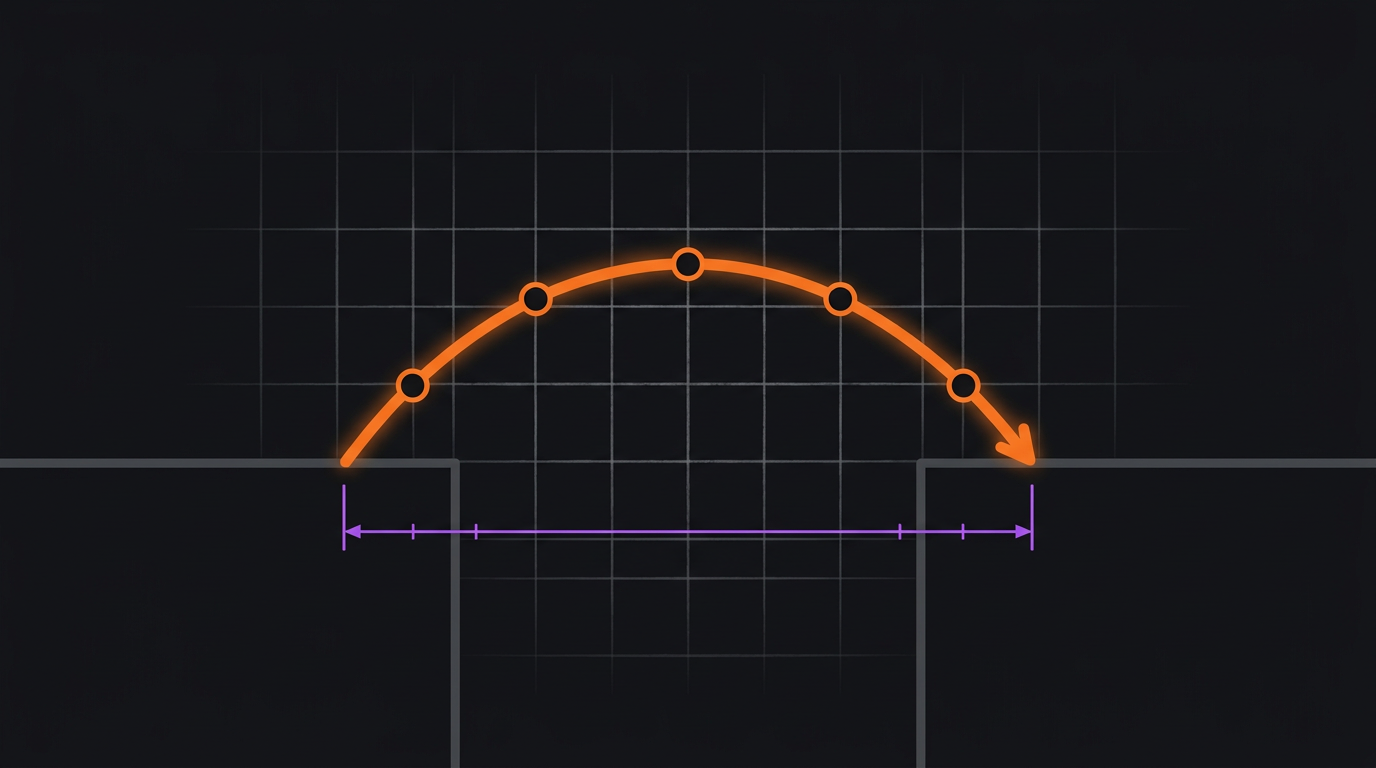
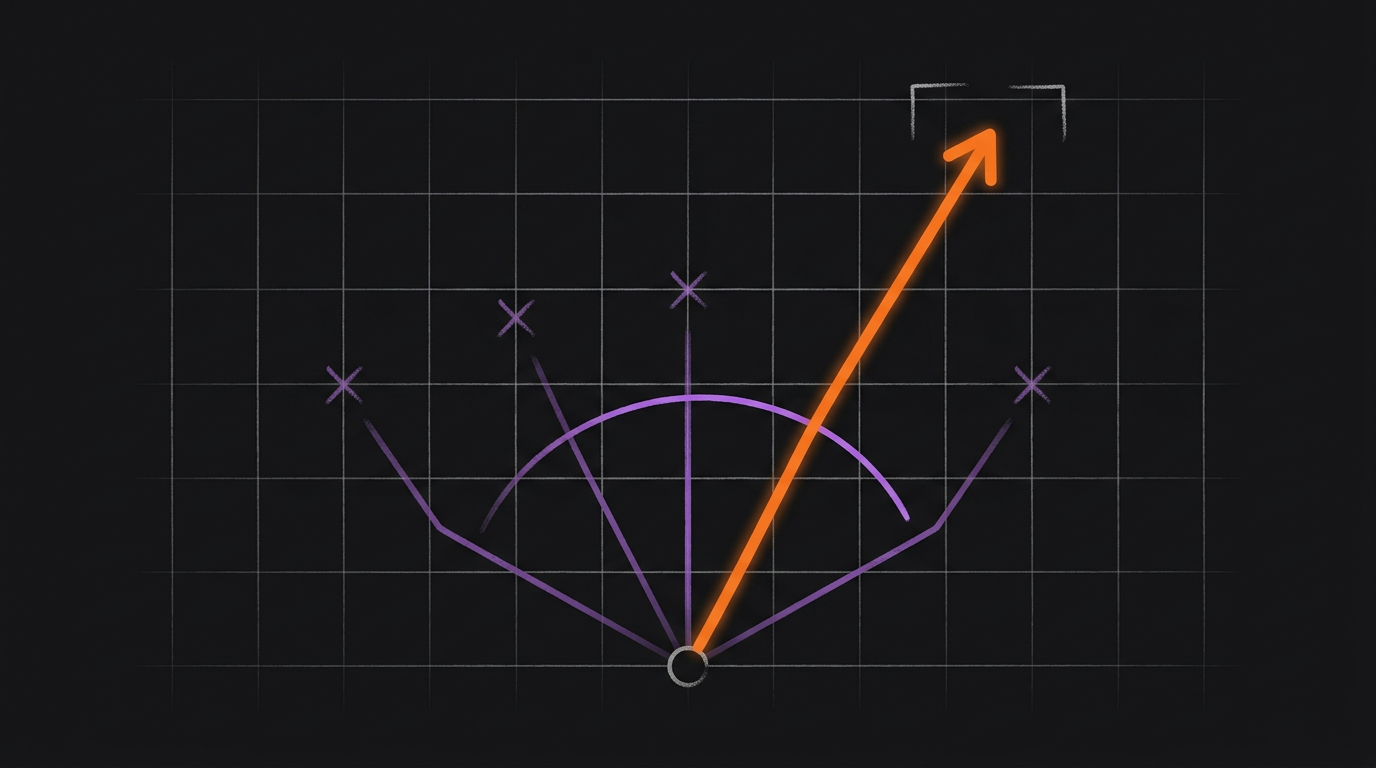
Each pattern has a characteristic route: where the deck starts, where the pressure builds, and what the buyer is holding at the end.
| Dimension | The Bridge | The Fit |
|---|---|---|
| Core question | Why change?Makes the cost of inaction concrete | Why is yes safe?Makes the cost of error survivable |
| Deal stage | Early-to-midBuilding the case | LateRescuing the decision |
| Emotional target | ComplacencyThe problem isn't felt enough | FearThe mistake feels career-visible |
| Direction of pressure | Raises stakesThe gap is expensive | Lowers stakesThe worst case is survivable |
| Options presented | One gap, one spanA single problem and its mechanism | Deliberately narrowedThree paths become one |
| Risk if misapplied | Stakes inflationMore reasons mean more fear, late | Premature comfortDe-risking before desire exists |
Choose The Bridge if
- The buyer hasn't yet felt what the problem costs
- The deal needs a business case built, not rescued
- A numbers-literate approver is still unconvinced
- Momentum is fine: the case just isn't concrete yet
Choose The Fit if
- The buyer agrees, has budget, and still hasn't signed
- The deal went quiet after a great late-stage call
- The purchase is career-visible for your champion
- Every re-pitch of value makes the silence longer
How they actually differ
These two patterns are teammates more often than rivals: the confusion comes from running them at the wrong times.
The Bridge is an accelerator. It exists to make change urgent: measure the gap, price it in the buyer's units, and present the span. Everything about it increases the perceived cost of standing still, which is exactly what an early deal needs and exactly what a stalled one doesn't.
The Fit is a brake release. It assumes desire already exists and diagnoses the stall correctly: not doubt, but fear of owning a wrong choice. So it performs judgment: one recommended configuration, reasoning shown. And it installs a floor under the downside. Nothing in it adds desire; it removes the reasons desire isn't converting.
The cleanest tell for which you need: if restating the value keeps making things quieter, stop bridging and start fitting. For the full breakdown of either pattern, the psychology, the arc, and the lineage it condenses, see The Bridge and The Fit in Pitchcraft.