Dropbox's seed deck
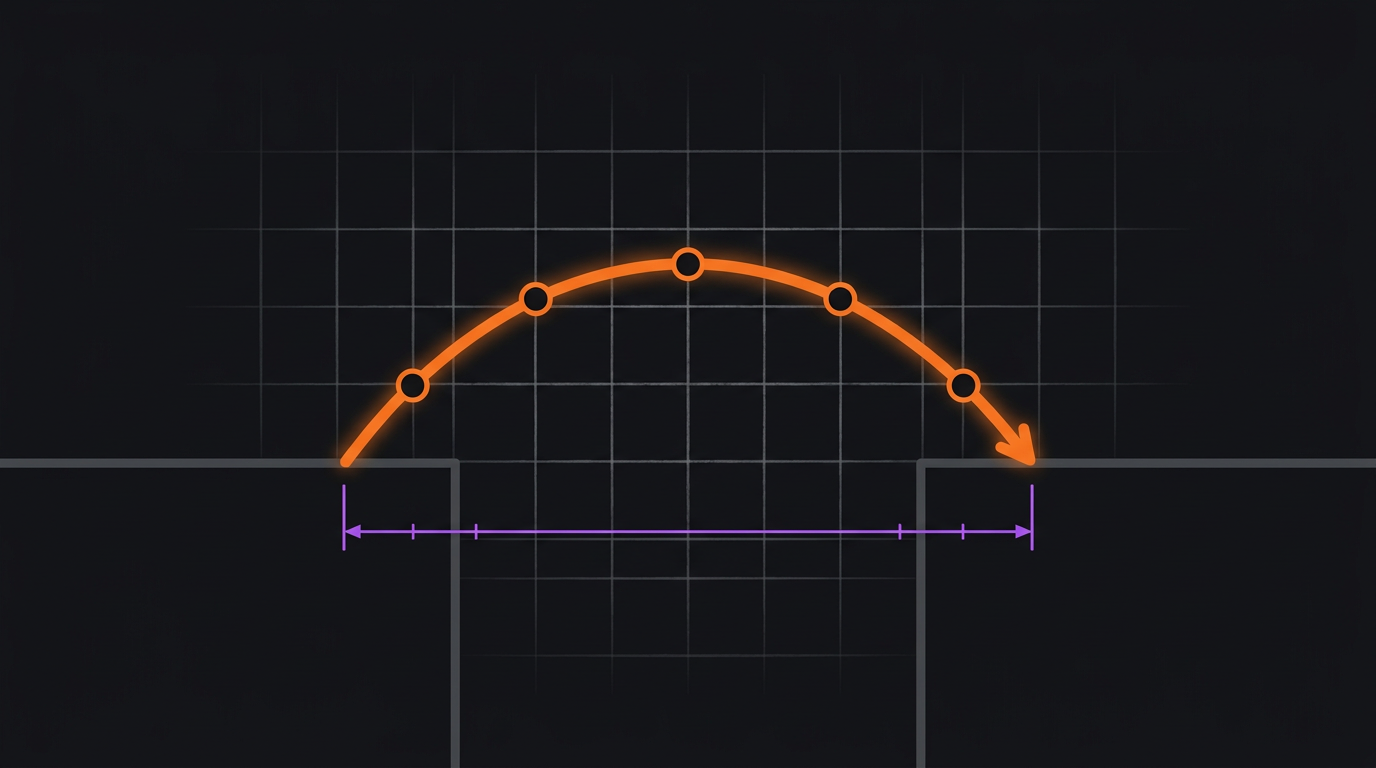
Dropbox's 2007 seed deck opens on a problem stated in four words (storage is a mess) and never stops being that direct. It's a Bridge with the gap compressed to a single universally felt frustration, and it's the best argument in this series that a Bridge doesn't need a spreadsheet. Sometimes the measurement is "everyone in this room has emailed themselves a file this week."
Seventeen slides, a $1.2M seed round, and a demo that did more work than any slide. Dropbox's deck is usually praised for clarity and for the famous demo-video strategy. The pattern question is narrower: how does a Bridge work when the founders have no customer data to quantify anything with?
Read the actual deck
Deck facts come from these sources. The pattern diagnosis below is DeckShift's reading: an argument about structure, not a claim about what the founders intended.
The arc, beat by beat
What the deck does, and which beat of the pattern it's playing.
- Beat 01Lands
States the problem in four words (storage is a mess) against an image that makes the point instantly.
Act I, the surveyor's opening, compressed to a single line. The current state needs no explaining because the audience is already living in it.
- Beat 02Lands
Enumerates the specific failures of the alternatives: USB drives, emailing files to yourself, version confusion across machines.
Act II, the chasm, measured in frequency and friction rather than dollars. Every item is something the reader did last week.
- Beat 03Lands
Positions the solution as seamless sync that simply works, and demonstrates it live rather than describing it.
Act III, the span, with the demo carrying the burden of proof that a numbers slide would carry in a later-stage Bridge.
- Beat 04Strains
Lays out the business model in layers: freemium for individuals, per-seat for small business, a platform play over time.
Off-pattern but necessary for the audience: a sales-deck Bridge would spend this slide on the buyer's economics, not the vendor's.
- Beat 05Lands
Team slide establishes two technical founders with the background to build it.
A Fit-style beat quietly borrowed: execution risk was the investor's real fear, and this removes it.
Why it works
The gap is measured in recognition rather than arithmetic, and for this particular problem that's the stronger instrument. Everyone evaluating Dropbox had personally lost a file, emailed themselves an attachment, or worked on the wrong version of a document. When the pain is that universal, quantifying it would actually weaken the slide: a number invites debate, while a shared memory invites agreement. Knowing which measurement to reach for is the whole skill.
Where it strains: Universal pain is rarer than founders think
This shortcut only works when the evaluator personally suffers the problem. Dropbox got to skip quantification because the investors in the room were themselves the users. Most B2B decks are pitched to someone who does not personally experience the pain (a CFO who has never run the reconciliation, a VP who left the workflow years ago), and for that audience recognition isn't available. You have to go get the numbers.
It's an investor deck. Does the read transfer?
Investor deck, but the read is unusually portable because the buyer was also the user. In sales, ask whether your evaluator personally feels the pain. If yes, recognition beats arithmetic. If no, arithmetic is all you have.
What to take from it
Match your measurement to your audience's experience. Quantify when the buyer is remote from the pain; simply name it when they're living in it, and never bury a universally felt problem under a chart that asks them to accept what they already know.