
The Pushback vs. The Mission
The Pushback and The Mission take opposite emotional postures toward the buyer. The Pushback creates productive tension: it tells a comfortable buyer their operating belief has expired. The Mission creates relief: it hands an overwhelmed buyer a simple map. One is the deck that challenges; the other is the deck that calms.
Why the pattern matters
Posture decides everything downstream. A Pushback deck says: the thing you believe about your business stopped being true. A Mission deck says: you're the hero here, and the way out is three steps. The first buyer should leave the meeting productively unsettled; the second should leave it breathing easier.
The stakes of misreading which buyer you have are emotional, not logical: challenge an already-anxious buyer and the deck feels like an attack; soothe a complacent one and it feels like nothing happened. The same slides, landed on the wrong nervous system, do the opposite of their job.
Challenging the overwhelmed
A reframe aimed at a buyer already drowning doesn't create productive tension: it adds a new problem to a pile that was already too high. The buyer doesn't rise to the intellectual challenge; they file the vendor under "more stress" and take the meeting that promises relief instead.
Comforting the complacent
A simple plan handed to a buyer who doesn't feel any problem is a map to a journey they never intended to take. Clarity only lands as relief when confusion or overwhelm existed first: a comfortable buyer reads the calm three-step story and stays exactly where they are.
Both misreads cost the same thing, the buyer's sense that this vendor understands them, and that's rarely recoverable in a second meeting.
The route each one runs
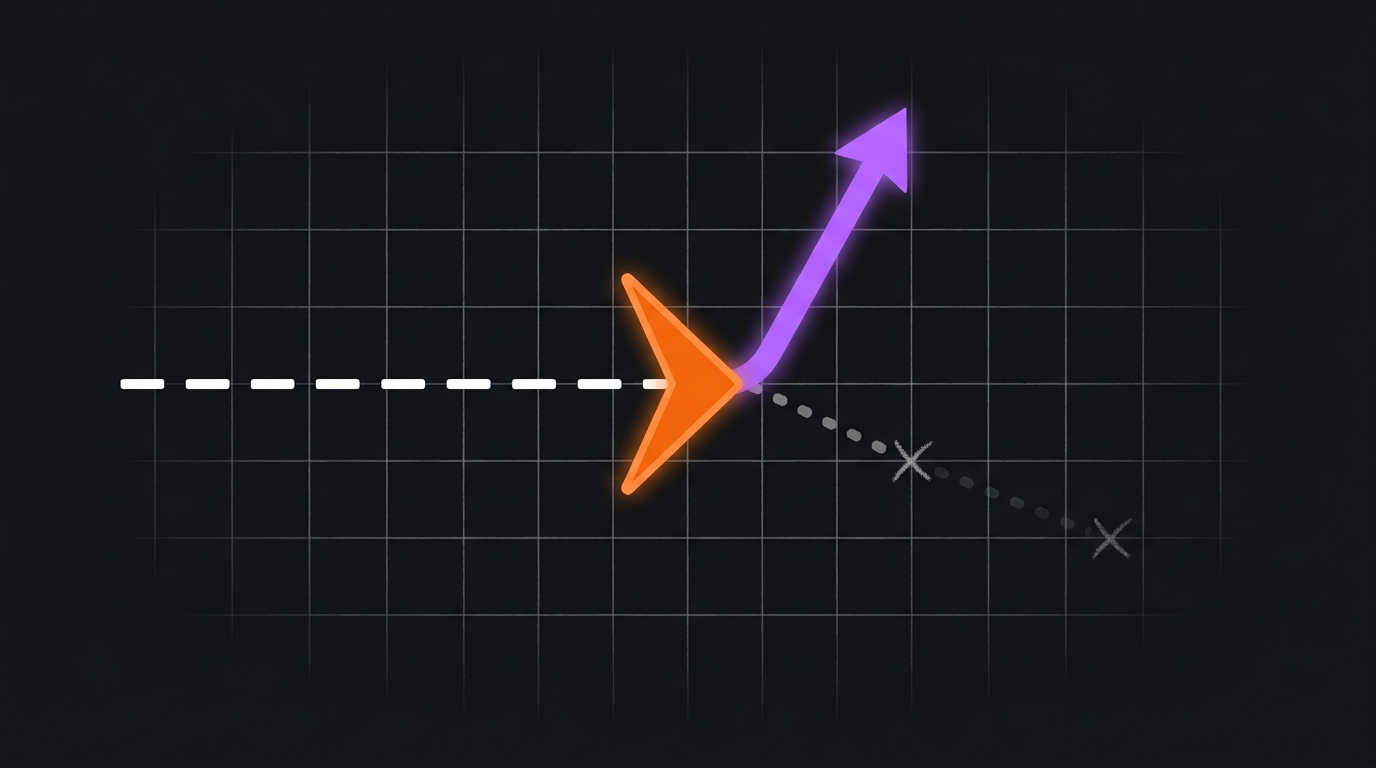
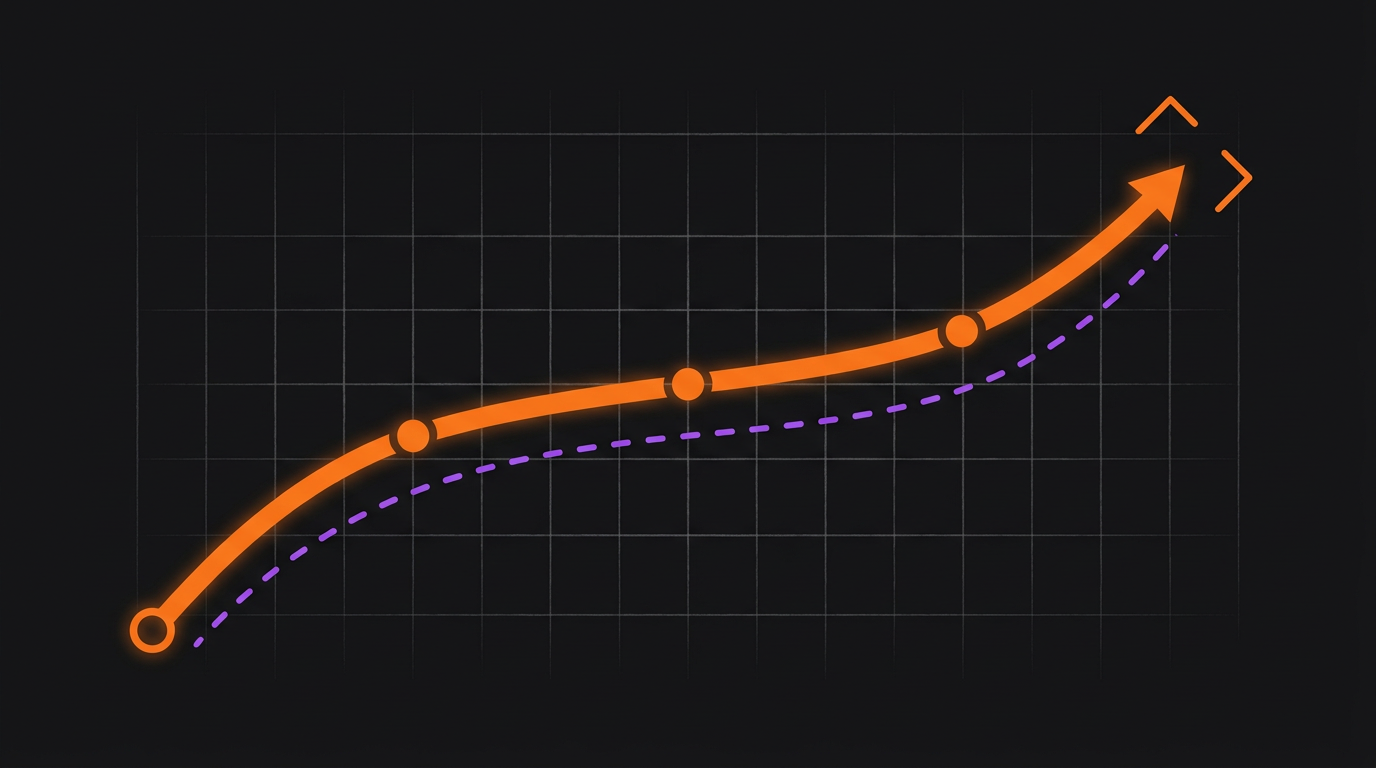
Each pattern has a characteristic route: where the deck starts, where the pressure builds, and what the buyer is holding at the end.
| Dimension | The Pushback | The Mission |
|---|---|---|
| Emotional move | TensionUnsettle a comfortable belief | ReliefSimplify an overwhelming situation |
| Buyer's baseline | ComfortableConfident, possibly wrongly | OverwhelmedDrowning in the problem daily |
| Vendor's role | ChallengerBrings unwelcome news | GuideBrings a map and calm |
| What the deck adds | A new problemThe belief that expired | A planThree safe steps out |
| Buyer sophistication | HighSenior enough to act on a reframe | Any levelBut too busy for complexity |
| Risk if misapplied | Pile-onStress added to an anxious buyer | LullabyComfort offered to a complacent one |
Choose The Pushback if
- The buyer is comfortable and their operating belief is genuinely outdated
- You have research or evidence the buyer hasn't seen
- The category is commoditized and the checklist needs rewriting
- The buyer is senior and confident enough to enjoy being challenged
Choose The Mission if
- The buyer is visibly overloaded by the problem space
- Complexity, not complacency, is what's blocking the purchase
- The buyer needs to feel understood more than informed
- A simple plan would itself be a differentiator
How they actually differ
It helps to notice what each pattern believes is standing between the buyer and yes.
The Pushback believes the obstacle is a wrong belief. The buyer isn't moving because their mental model says everything is fine. So the deck attacks the model: evidence first, discomfort held deliberately, the new path revealed only after the old one has stopped making sense. It manufactures the demand it then answers.
The Mission believes the obstacle is complexity. The buyer knows something's wrong, they live in it, but every path out looks exhausting. So the deck removes friction rather than adding pressure: hero, guide, a plan short enough to feel safe, and one unmistakable next step. The demand already exists; the deck clears the road.
Read the buyer's energy in the first five minutes of discovery and the choice usually makes itself: comfort calls for The Pushback, exhaustion calls for The Mission. For the full breakdown of either pattern, the psychology, the arc, and the lineage it condenses, see The Pushback and The Mission in Pitchcraft.