
The Mission vs. The Fit
The Mission and The Fit are the six's two safety patterns: both exist to make saying yes feel safe. The Mission does it early, with a plan simple enough to start; The Fit does it late, with a recommendation firm enough to finish. One removes the overwhelm that prevents motion; the other removes the fear that stops it at the finish line.
Why the pattern matters
A Mission deck says: here's a three-step map: the first step is small and safe. A Fit deck says: of the three configurations, this is the one for you, and here's the floor if we're wrong. Both are anti-anxiety machines; they treat different anxieties.
Overwhelm and decision fear look similar from outside: both read as a buyer not moving. But overwhelm is "I can't see the path" and decision fear is "I see it and might be blamed for choosing it." The map cures the first; the recommendation-plus-floor cures the second; and neither cures the other's disease.
A map for the frightened
A stalled late-stage buyer already has the plan: they've seen the demo, scoped the rollout, confirmed the budget. Re-presenting a simplified journey doesn't address what actually has them frozen: the personal cost of being wrong. Simplicity can't floor a downside.
A verdict for the lost
Narrowing options for a buyer who never understood the options adds authority without adding clarity. The Fit's confident recommendation presumes a buyer who knows what's being decided; aimed earlier, it reads as pressure: "trust me" arriving before trust exists.
Both anxieties present as silence: the calendar position of that silence is usually the only visible difference.
The route each one runs
Each pattern has a characteristic route: where the deck starts, where the pressure builds, and what the buyer is holding at the end.
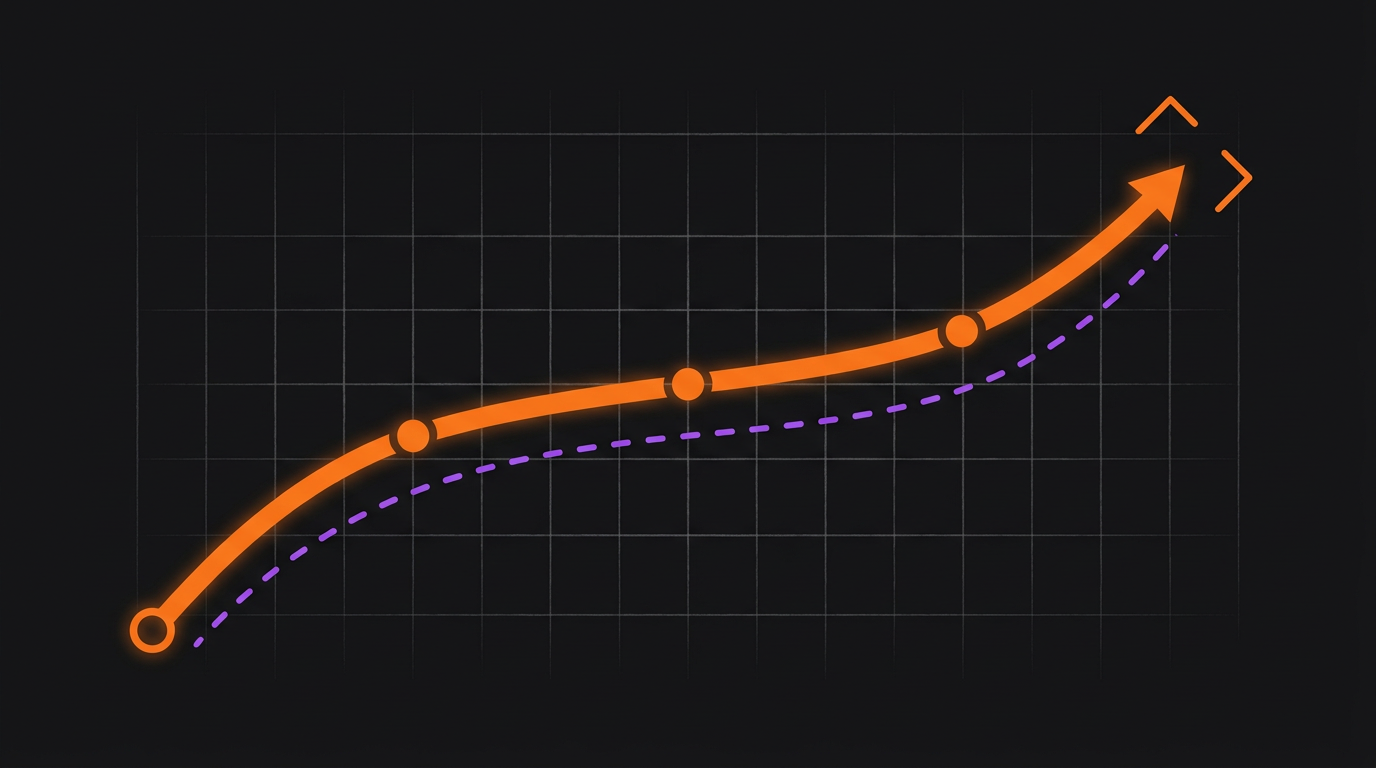
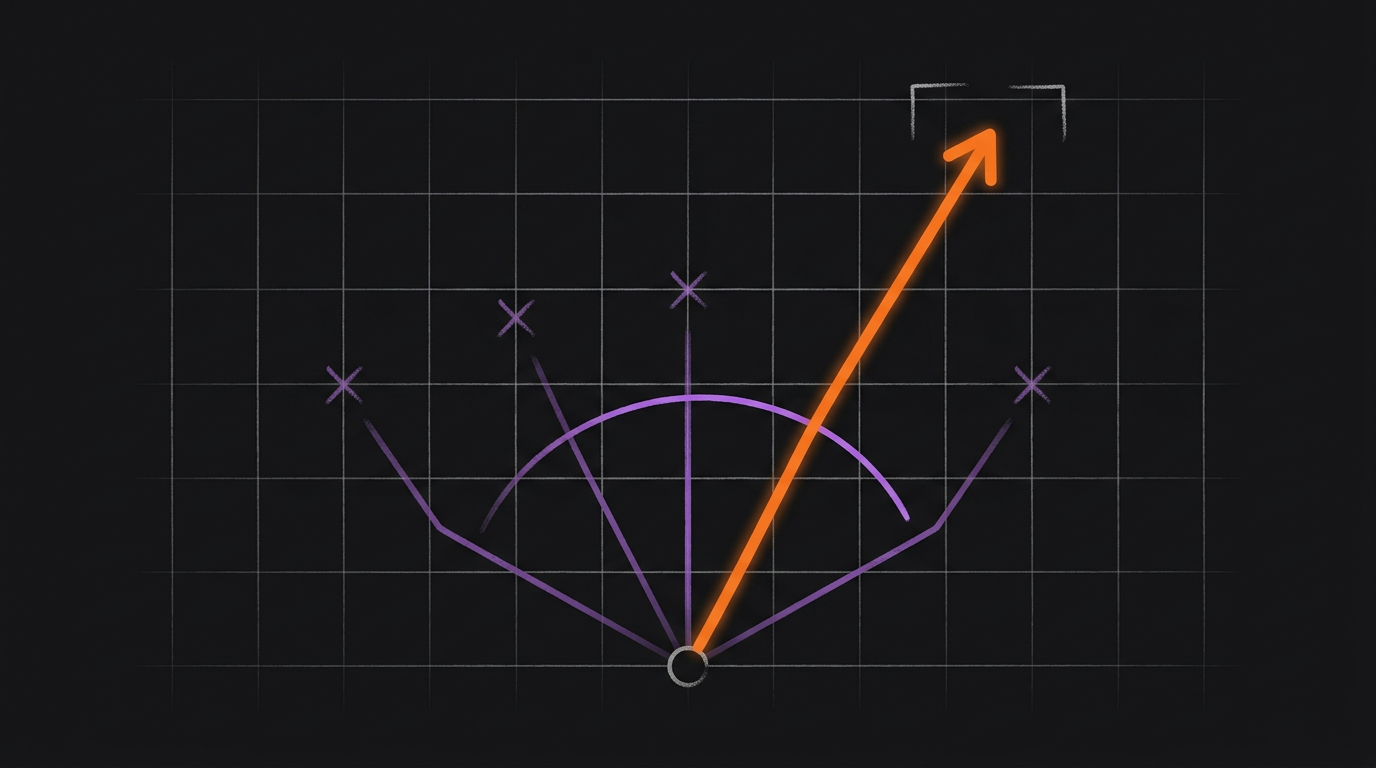
| Dimension | The Mission | The Fit |
|---|---|---|
| The anxiety treated | OverwhelmCan't see a path through | Decision fearSees it, fears owning it |
| Timing | Early-to-midGets motion started | LateGets motion finished |
| Core artifact | The planThree steps, one next action | The recommendationOne path, reasoning shown |
| Safety mechanism | Small first stepEasy to begin | The floorSurvivable to be wrong |
| Buyer's inner monologue | Where do I start?The situation is too much | What if I'm wrong?The choice is career-visible |
| Risk if misapplied | Redundant mapThey already know the plan | Premature verdictAuthority before trust |
Choose The Mission if
- The buyer is early, willing, and overwhelmed
- The category itself is confusing and cluttered
- A simple plan would differentiate immediately
- The blocker is "where do I start," not "what if I'm wrong"
Choose The Fit if
- The deal is late-stage, agreed, budgeted, and silent
- The buyer faces multiple configurations and fears the wrong one
- Someone's name will be on this decision internally
- You've earned the standing to make a firm recommendation
How they actually differ
Both patterns take fear seriously: the map and the floor are engineering solutions to emotional problems. They just work different job sites.
The Mission installs safety at the entrance. Its psychology: a confused mind says no by default, so clarity is the first mercy. The plan's three steps aren't an implementation schedule: they're a psychological ramp, each small enough that starting feels safe. It gets a willing-but-lost buyer moving.
The Fit installs safety at the exit. Its psychology: once intent exists, the buyer's question flips from "how do we win" to "how do I avoid blame", and more upside makes it worse. So it performs the judgment the buyer dreads performing, on the record, and floors the worst case with a pilot, parallel run, or guarantee. It gets a willing-but-frozen buyer signing.
In a long cycle you may run both: the Mission map to start the journey, and the Fit recommendation months later when the last mile turns quiet. For the full breakdown of either pattern, the psychology, the arc, and the lineage it condenses, see The Mission and The Fit in Pitchcraft.