
The Fit vs. Epic Tale
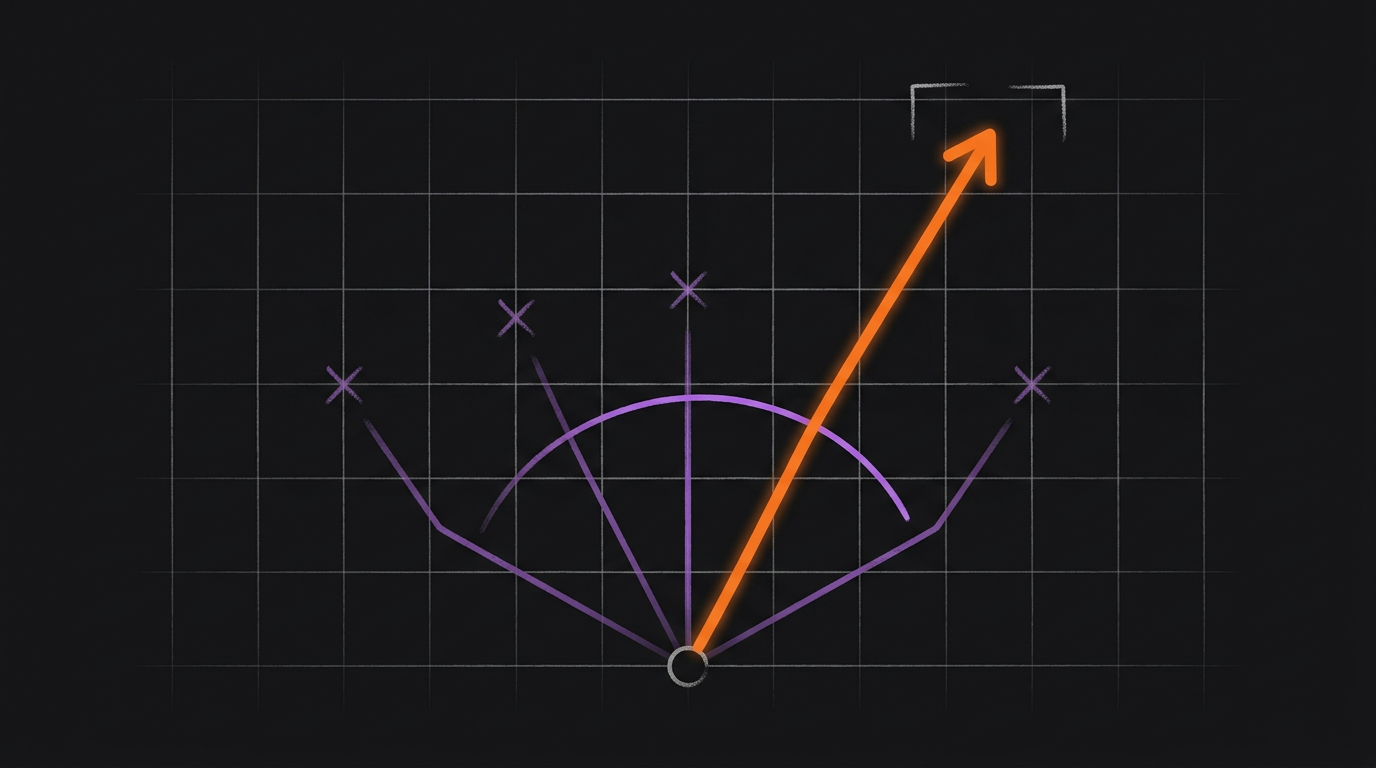
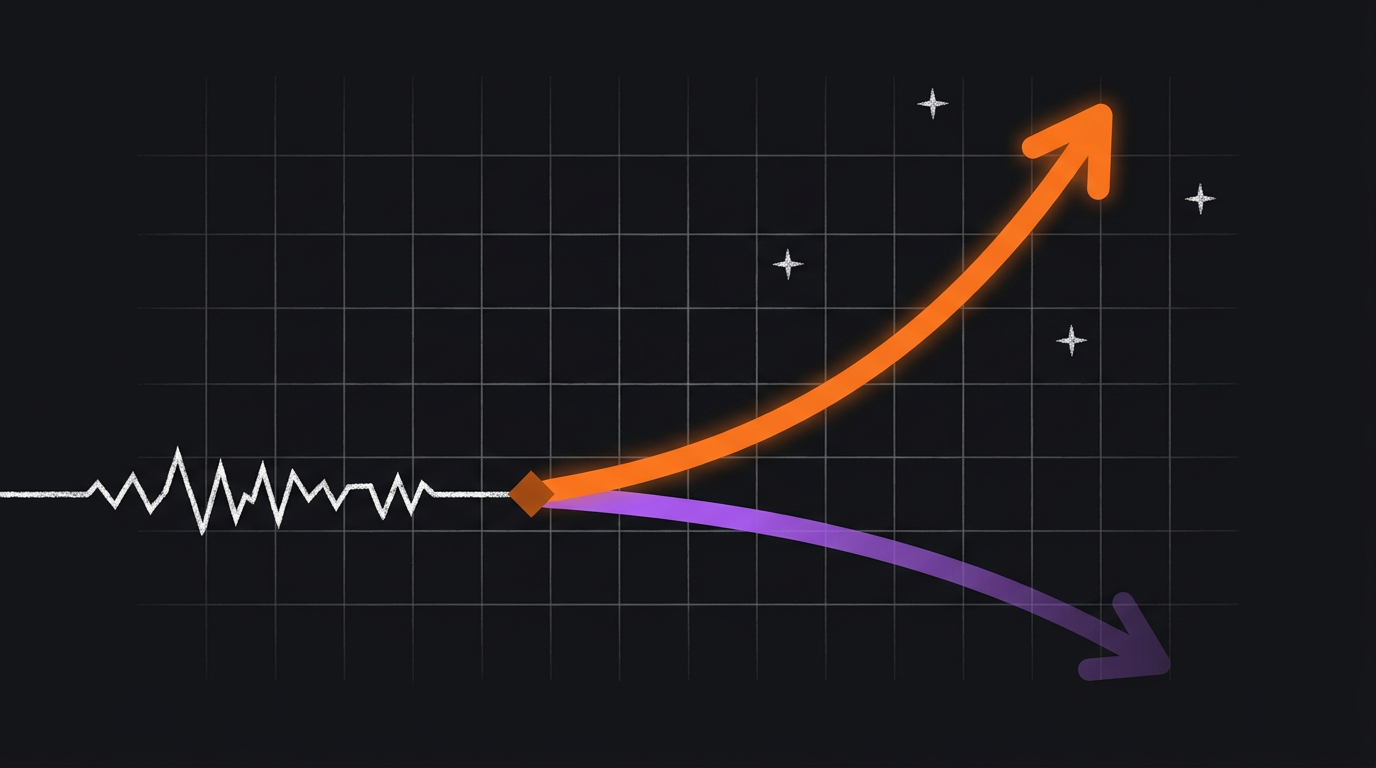
The Fit and Epic Tale both run on loss aversion, the finding that losses loom about twice as large as gains, but they point the feared loss in opposite directions. Epic Tale aims it forward: miss the shift and get sorted onto the losing side of history. The Fit aims it inward: choose wrong and own the mistake. One neutralizes fear to finish a deal; the other uses fear to start one.
Why the pattern matters
A Fit deck says: stop weighing every path. Take this one, and if it's wrong, here's the floor. An Epic Tale deck says: the world is moving, and the cost of waiting is your position in it. Same psychology, opposite valves: one closes the fear so signature can happen; the other opens it to create motion.
The danger in confusing them is compounding fear. A buyer already frozen by decision anxiety, fed an Epic Tale's urgency, now fears both missing the shift and choosing the wrong response to it: a deeper freeze. And a complacent buyer, offered The Fit's floor, is being sold insurance against a risk they never felt.
De-risking the unmoved
The Fit presumes a decision already on the table. Aimed at a buyer who hasn't accepted that the world requires anything of them, its narrowed options and safety mechanisms answer no felt question: the pattern needs fear to neutralize, and this buyer hasn't any yet.
Urgency at the frozen
Epic Tale aimed at a stalled late-stage buyer stacks a market-sized fear on top of a personal one. The indecision research is unambiguous here: raising the stakes on an indecisive buyer deepens the indecision: the sorting narrative that opens deals brilliantly can bury one at the close.
Fear is a precision instrument in both patterns: pointed the wrong way at the wrong moment, it doesn't miss, it backfires.
| Dimension | The Fit | Epic Tale |
|---|---|---|
| Loss aversion aimed | InwardThe mistake I might own | ForwardThe shift I might miss |
| Deal stage | LateDecision stuck at the finish | OpeningMotion not yet started |
| Fear's role | NeutralizedFloored so signing feels safe | ActivatedNamed so waiting feels unsafe |
| Core artifact | The recommendationOne path, reasoning shown | The shiftOne change, externally true |
| Options | NarrowedThree become one, on the record | SortedWinners and losers, already visible |
| Risk if misapplied | Unwanted insuranceA floor for the fearless | Deeper freezeStakes raised on the stuck |
Choose The Fit if
- Intent exists: agreement, budget, authority, but no signature
- The buyer's silence smells like fear of blame
- Options are multiplying instead of resolving
- A confident recommendation would be received as relief
Choose Epic Tale if
- A real, verifiable shift is reshaping the buyer's market
- The deal must create urgency and budget from nothing
- Executive sponsorship is the gating resource
- The buyer's fear should attach to inaction, not action
How they actually differ
Prospect theory is the shared engine: these are the six's two loss-aversion patterns, run in opposite gears.
The Fit runs loss aversion in reverse. It knows the buyer's imagination has already produced the loss, whether the botched rollout or the career-visible mistake, and that this imagined loss outweighs every promised gain roughly two to one. So the pattern shrinks the loss: fewer choices to get wrong, a recommendation carrying the vendor's judgment, a floor making the worst case survivable.
Epic Tale runs it forward. It knows a buyer who feels no product-shaped pain can still feel history-shaped fear: being the leadership team that missed the turn. So the pattern makes the loss vivid before any product appears: the shift is real, the sorting has started, and the visible losers are the evidence. The offer then enters as the way to the right side.
The full-cycle version of this pair: Epic Tale's fear starts the deal, and months later The Fit retires that same fear so the deal can end: the pattern that lit the fire is rarely the one that closes the door. For the full breakdown of either pattern, the psychology, the arc, and the lineage it condenses, see The Fit and Epic Tale in Pitchcraft.