
The Bridge vs. TURN
The Bridge and TURN, two of DeckShift's six house patterns, both build a case using a gap between the buyer's current and desired state, but they get there in opposite directions. The Bridge quantifies a gap the buyer already admits to; TURN builds that admission through a sequence of questions when the buyer doesn't yet feel one. Which fits depends on whether your buyer already knows they have a problem.
Why the pattern matters
A framework isn't decoration on top of a deck: it decides what the buyer is being asked to conclude, and in what order. The same twelve slides arranged two different ways make two different arguments. One says: here is what your problem costs you. The other says: let's work out together whether you have a problem. A buyer can only be in one of those conversations at a time.
That's why the choice isn't stylistic. Pick the pattern that matches where the buyer actually stands and the deck does half the persuading on its own. Pick the wrong one and every slide is answering a question the buyer hasn't asked yet.
Quantifying too early
Putting a number on a problem the buyer hasn't admitted to invites them to argue with your arithmetic instead of engaging with the problem. You've handed a skeptical buyer something concrete to reject, and the conversation becomes about whether your figure is right rather than whether the gap is real.
Questioning too late
Walking a buyer through discovery questions they've already answered, sometimes on a previous call, reads as stalling at best and condescending at worst. They came for a recommendation and got an interview, and the deck spends its credibility establishing something already agreed.
Neither failure announces itself. The deck doesn't visibly break: the deal just goes quiet, and the rep is left guessing why a deck that looked fine didn't land.
The route each one runs
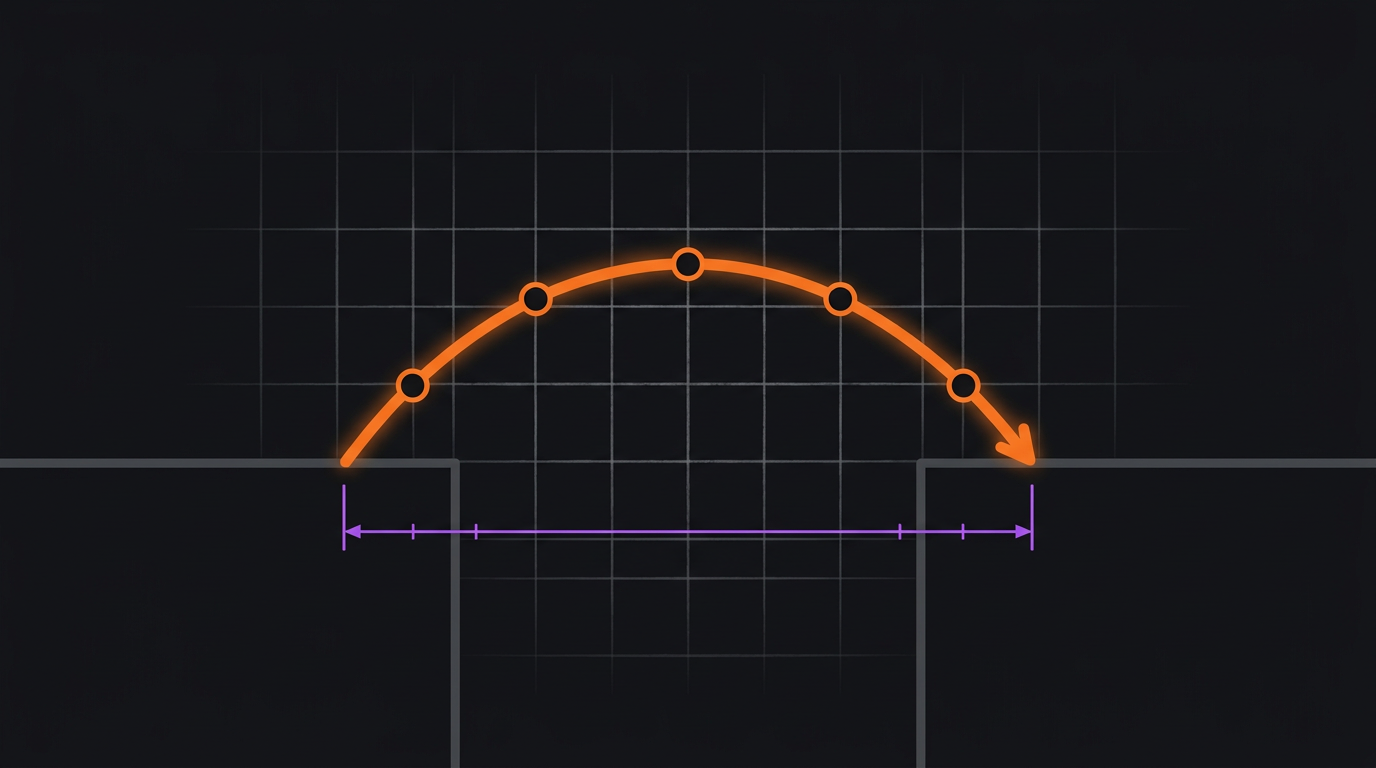
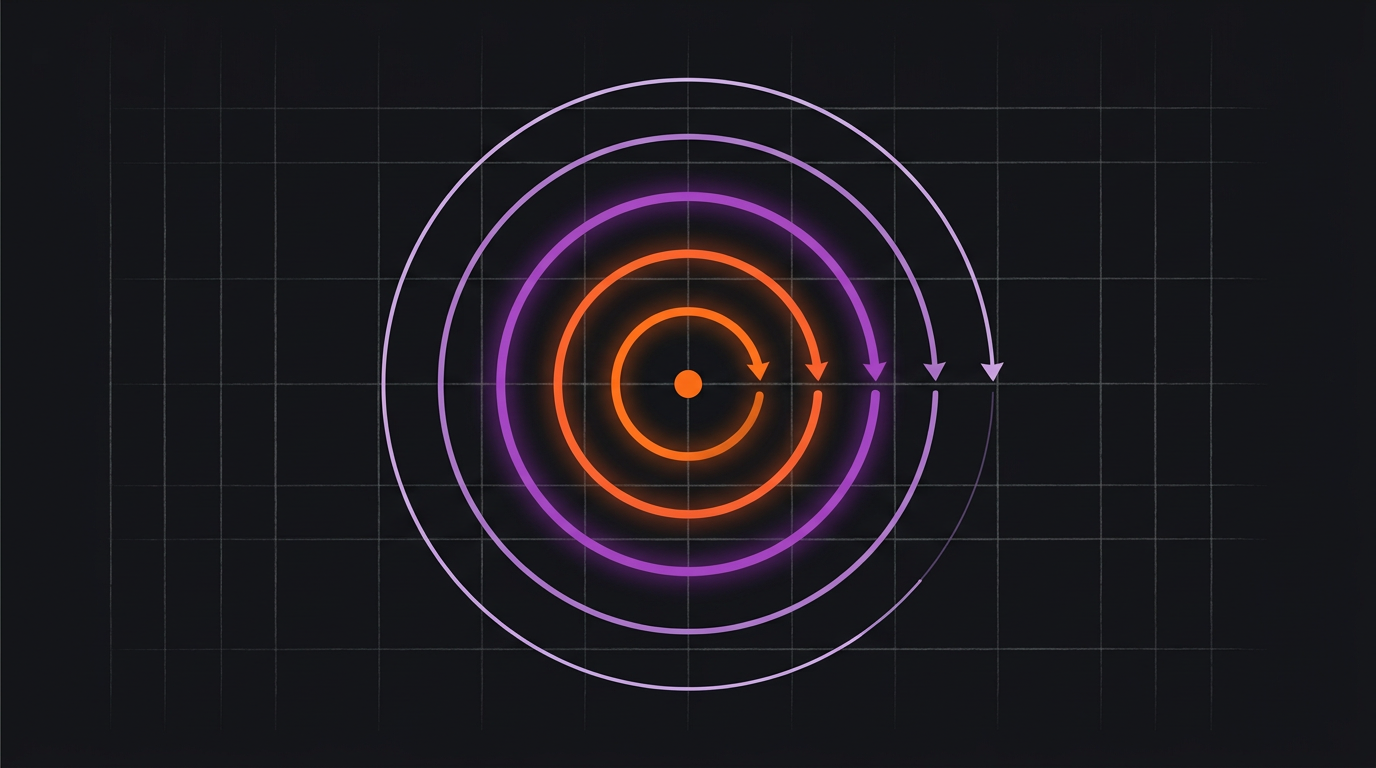
Each pattern has a characteristic route: where the deck starts, where the pressure builds, and what the buyer is holding at the end.
| Dimension | The Bridge | TURN |
|---|---|---|
| Core move | QuantifyA gap the buyer already admits to | QuestionUntil the buyer states the gap themselves |
| Buyer's starting awareness | Already awareThe problem is felt, not just known | Barely awareOr not aware of it at all yet |
| Who supplies the number | The repSourced from the buyer's own systems | The buyerStated in the Need-Payoff step |
| Typical pace | FastMoves straight to the quantified case | Slow by designNeeds a real discovery conversation |
| Best-fit deal stage | Mid-to-lateOnce a problem is admitted | EarlyWhile the view of the problem is still forming |
| Risk if misapplied | PresumptuousTo a buyer who hasn't admitted the problem | PatronizingTo a buyer who already knows what they need |
Choose The Bridge if
- The buyer already admits a problem exists
- The gap can be measured in numbers the buyer already tracks
- The sales cycle is short and needs to move fast
- Discovery is done: this deck is for the case, not the diagnosis
Choose TURN if
- The buyer is only vaguely aware of the problem, or not yet aware
- There's real time for a discovery conversation, not just a pitch
- You need the buyer to state the value themselves, not hear it from you
- The sales cycle is long enough to support a slower build
How they actually differ
Both patterns are built around the same underlying idea, a gap between where the buyer is and where they'd rather be, which is what makes them easy to confuse. The difference is which side of that gap the deck starts from.
The Bridge starts from the answer. It assumes the buyer can already name a problem, and the deck's job is to attach a number to it in dollars, hours, or error rate, then present the offer as the specific mechanism that closes that measured distance. It moves fast because it isn't trying to create awareness, only to quantify awareness that's already there.
TURN starts from the question. It assumes the buyer hasn't yet connected their situation to a felt cost, and uses a sequence of Situation, Problem, Implication, Need-Payoff to walk them there. The buyer, not the rep, ends up stating what the problem is costing them. That's slower by design: the value of TURN is in the buyer's own conclusion, which can't be rushed without undermining the whole mechanism.
In practice the two often chain together: TURN in an early discovery conversation to surface the felt problem, The Bridge once that problem is admitted, to make the case numeric and move toward a decision. For the full breakdown of either pattern, the psychology, the arc, and the lineage it condenses, see The Bridge and TURN in Pitchcraft.