
The Bridge vs. The Mission
The Bridge and The Mission solve for two different buyers reading the same deck. The Bridge builds a numeric case for a buyer who will check the math; The Mission builds a simple story for a buyer drowning in complexity. One persuades by measurement, the other by clarity, and the wrong choice sends spreadsheets to a storyteller or a fable to a CFO.
Why the pattern matters
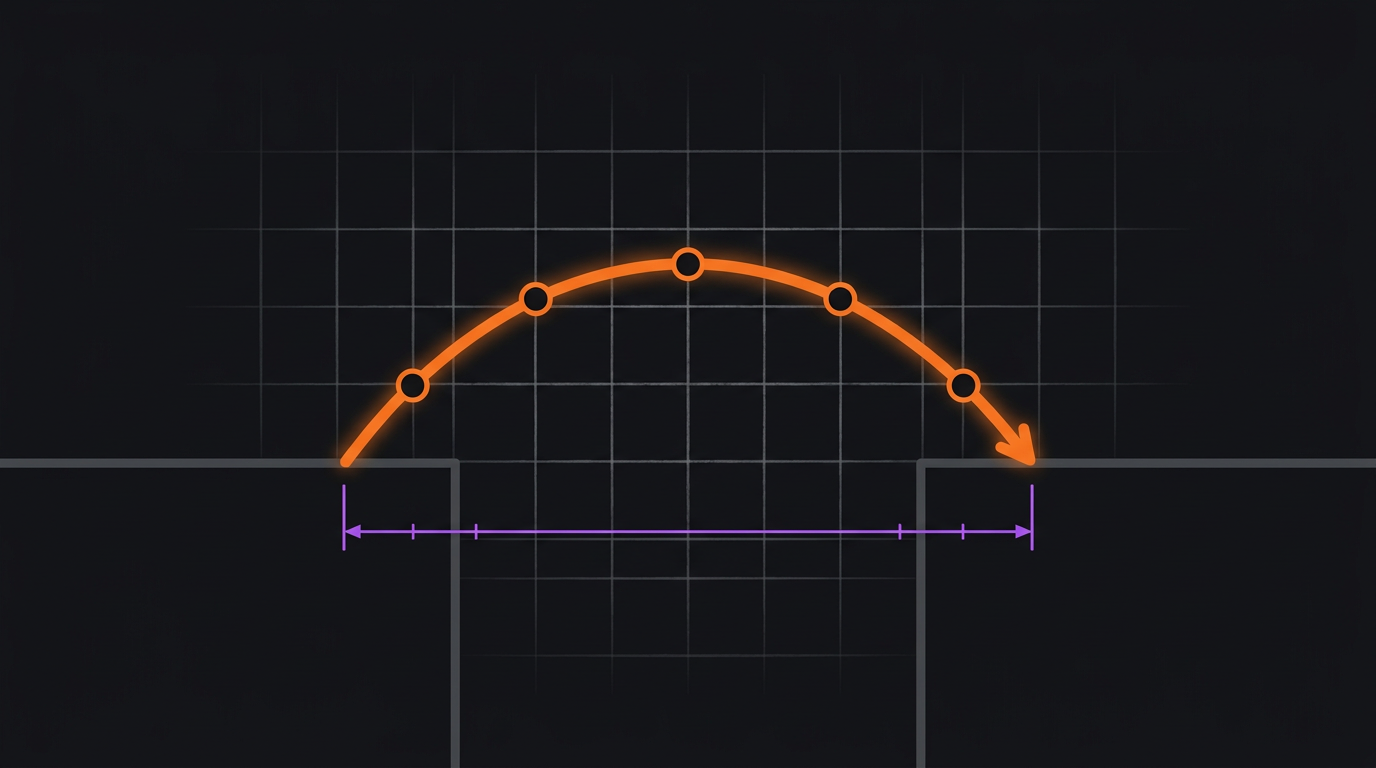
The same offer can be argued two ways. As a Bridge the deck says: the gap between where you are and where you want to be costs $47K a year: here's the span. As a Mission it says: you're the hero of this story, and here's the three-step map out. One asks the buyer to verify; the other asks them to exhale.
The choice is really a bet on the buyer's state of mind. A skeptical evaluator rewards evidence and punishes simplification. An overwhelmed operator rewards simplicity and never reads the appendix. Guess wrong and the deck's strongest quality becomes its liability.
Numbers at an overwhelmed buyer
A meticulous gap analysis aimed at a founder who is barely keeping up doesn't read as rigor: it reads as more work. The deck becomes one more spreadsheet in a life already full of them, and the vendor who made things feel simpler wins instead.
Story at a skeptical evaluator
A seven-beat hero's journey aimed at a technical committee reads as thin. Evaluators experience narrative simplicity as missing detail, and every simplification becomes a question the deck can't answer: clarity, at that table, looks like evasion.
And the buyer rarely says which they needed: the deck just reads as either too much or too little, and the meeting ends on time.
The route each one runs
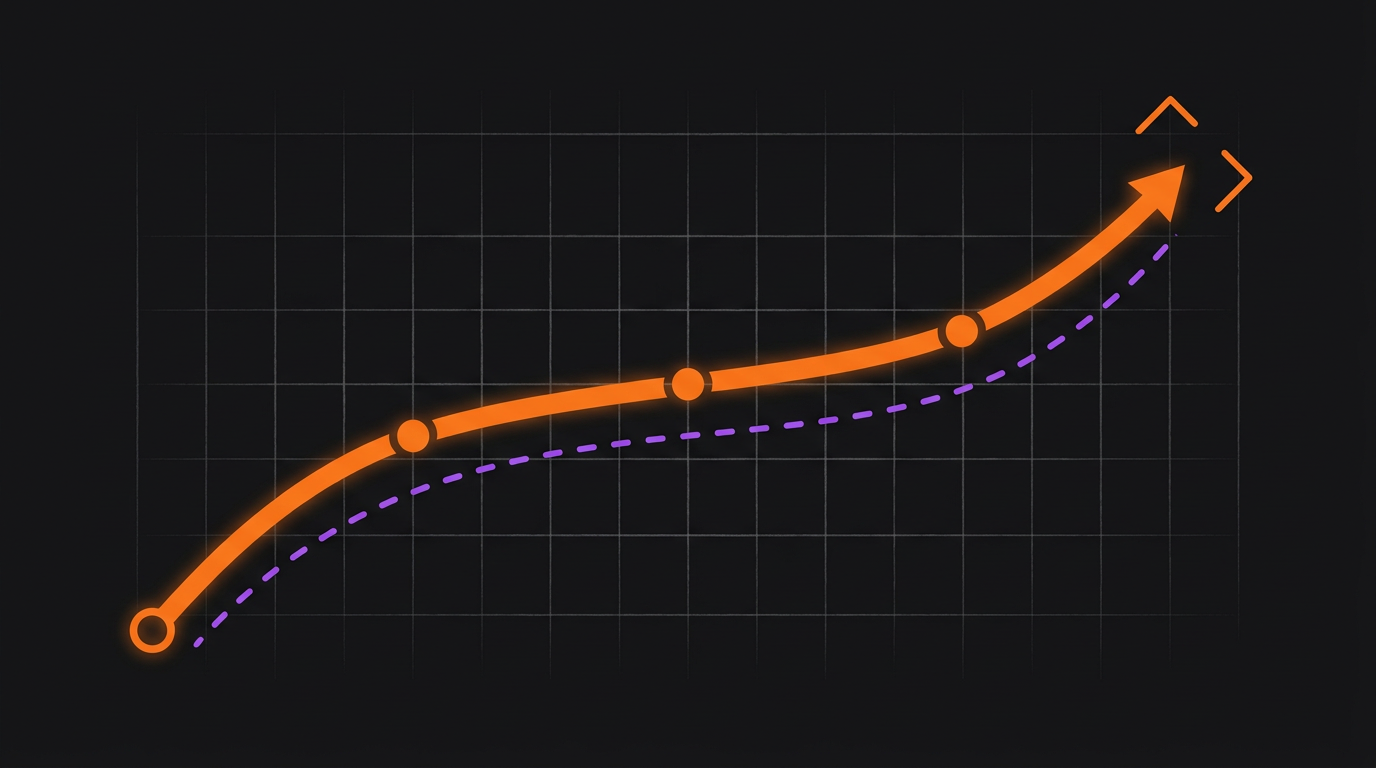
Each pattern has a characteristic route: where the deck starts, where the pressure builds, and what the buyer is holding at the end.
| Dimension | The Bridge | The Mission |
|---|---|---|
| Persuades by | MeasurementA gap in the buyer's own units | ClarityA story simple enough to feel safe |
| Buyer's state | SkepticalWill check the arithmetic | OverwhelmedNeeds relief from complexity |
| Deck's hero | The numbersThe case makes the argument | The buyerThe vendor stays the guide |
| Ideal reader | CFO or analystLine-by-line scrutiny | Founder or operatorLiving inside the problem |
| Level of detail | HighSurvives handoff to an analyst | Deliberately lowThree steps, not twelve |
| Risk if misapplied | OverloadMore homework for a tired buyer | ThinnessMissing detail for a rigorous one |
Choose The Bridge if
- The buyer or their approver is numbers-literate and skeptical
- The pain is measurable in systems the buyer already runs
- The deck must survive being forwarded to an analyst
- The purchase needs a defensible business case
Choose The Mission if
- The buyer is overwhelmed rather than skeptical
- The category is cluttered and every competitor sounds the same
- The buyer's identity is tangled up in the problem
- Simplicity itself is the differentiator
How they actually differ
These two aren't opposites so much as different currencies: one pays in proof, the other in relief.
The Bridge treats persuasion as measurement. It maps the current state, prices the distance to the desired state, and presents the offer as the engineered span. Its bet is that the most convincing thing a deck can contain is arithmetic the buyer can check themselves, and its natural audience is anyone paid to be skeptical.
The Mission treats persuasion as clarity. It casts the buyer as a hero stuck in a complicated Tuesday, the vendor as the guide, and the offer as a visibly simple plan. Its bet is that a confused buyer doesn't buy from the most impressive vendor but from the one they understand, and its natural audience is anyone too busy to want impressive.
Plenty of real deals need both: a Mission-shaped narrative to win the operator, with a Bridge-shaped appendix for the CFO who reads it second. For the full breakdown of either pattern, the psychology, the arc, and the lineage it condenses, see The Bridge and The Mission in Pitchcraft.